Journal Articles
(with Katerina Girginova, Woori Han, Heather Jaber, Florence Madenga, Mariela Morales-Suárez, María Celeste Wagner, and Jing Wang) Global Communication as a Standpoint: A Critical Engagement with Research, Pedagogy, and the Profession through a Global Communication Lens. Media, Culture & Society, 47 (1): 189–209, 2025
Calling out Feminists: Antifeminist Hijacking of Cancel Culture in South Korea. Television & New Media, 26 (1): 88–103, 2025
(with Minwoo Jung) A tale of two homosocialities: gender, sexuality, and global political economy in Squid Game. Communication, Culture & Critique, 15(4), 540-542, 2022
Wikiality within the Manosphere: Namuwiki, Gender Equalism, and Antifeminist Disinformation in the Post-Truth Era. Signs: Journal of Women in Culture and Society, 48(1), 97-123, 2022.
*Reprinted in Re-thinking Mediations of Post-truth Politics and Trust: Globality, Culture, Affect, edited by Jason Harsin. Routledge, 61-88, 2023.
The Resurgence and Popularization of Feminism in South Korea: Key Issues and Challenges for Contemporary Feminist Activism. Korea Journal, 61(4), 75–101, 2021.
Sticky Activism: The Gangnam Station Murder Case and New Feminist Practices Against Misogyny and Femicide. JCMS: Journal of Cinema and Media Studies (formerly Cinema Journal). 60(4), 37-60, 2021.
*Student Writing Award (first place), The Society for Cinema and Media Studies, 2020
Why We Cheer for Viktor Ahn: Changing Characteristics of Sporting Nationalism and Citizenship in South Korea in the Era of Neoliberal Globalization. Communication and Sport. 7(4), 488-509, 2019.
*Top Paper Award, The Sports Communication Interest Group, International Communication Association, 2015
After the Disclosures: A Year of #sexual_violence_in_the_film_industry in South Korea. Feminist Media Studies, 18(3), 505–508, 2018.
Rumors, Hatred, and the Politics of Multiculturalism: Unpacking Rumors about Jasmine Lee. Communication, Culture & Critique, 10(4), 641-656, 2017.
#iamafeminist as the “Mother Tag”: Feminist Identification and Activism Against Misogyny on Twitter in South Korea. Feminist Media Studies, 17(5), 804-820, 2017.
*Top Student Paper Award (Second place), Commission on the Status of Women, Association for Education in Journalism and Mass Communication, 2016
Book Chapters
“#CancelKorea: Nationalist Canceling and the Geopolitics of Belonging in Postcolonial Asia.” In Southern Digitalities: Reimagining Digital Studies from the Global South, edited by Clovis Bergère, Marwan M. Kraidy, and Marina R. Krikorian Krikorian. University of Illinois Press, 2026.
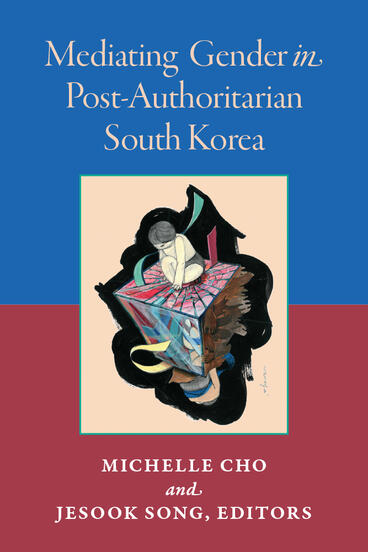
“I Can Speak Because I Am a Mother”: The Trope of Motherhood in Mothers’ Political Activism Relating to the Sewol Ferry Disaster. In Mediating Gender in Post-Authoritarian South Korea, edited by Michelle Cho and Jesook Song, 194-223. University of Michigan Press, 2024.
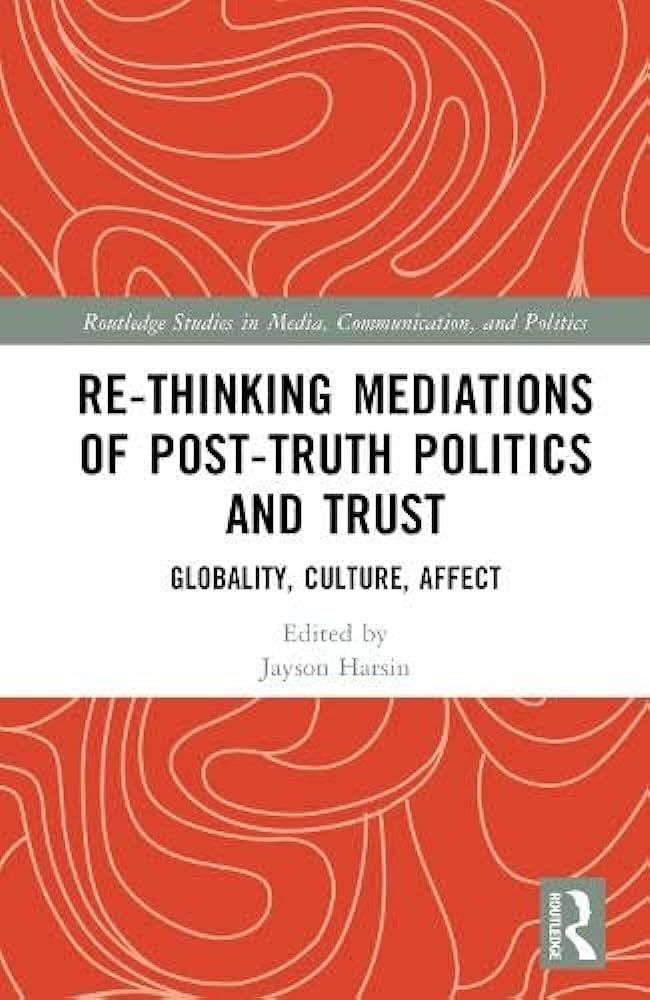
Wikiality Within the Manosphere: Namuwiki, Gender Equalism, and Antifeminist Disinformation in the Post-truth Era. In Re-thinking Mediations of Post-truth Politics and Trust: Globality, Culture, Affect, edited by Jason Harsin. Routledge, 61-88, 2023.
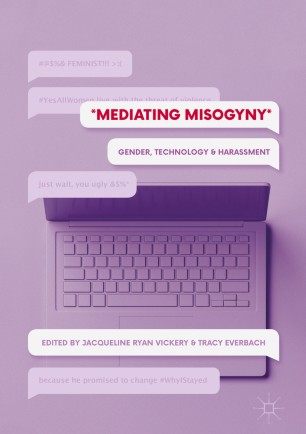
Misogyny for Male Solidarity: Online Hate Discourse Against Women in South Korea. In Mediating Misogyny: Technology, Gender, and Harassment, edited by Jacqueline Ryan Vickery and Tracy Everbach, 151–69. Palgrave Macmillan, 2018.
Forum Pieces
Kim, Jinsook. The Return of Global Sisterhood? The Transnational Journey of the 4B Movement on TikTok, Flow: A Critical Forum on Media and Culture, 31(4), 2025
Kim, Jinsook. The Danger of Normalizing Misogyny, South Korean Feminist Journal ILDA, 2016